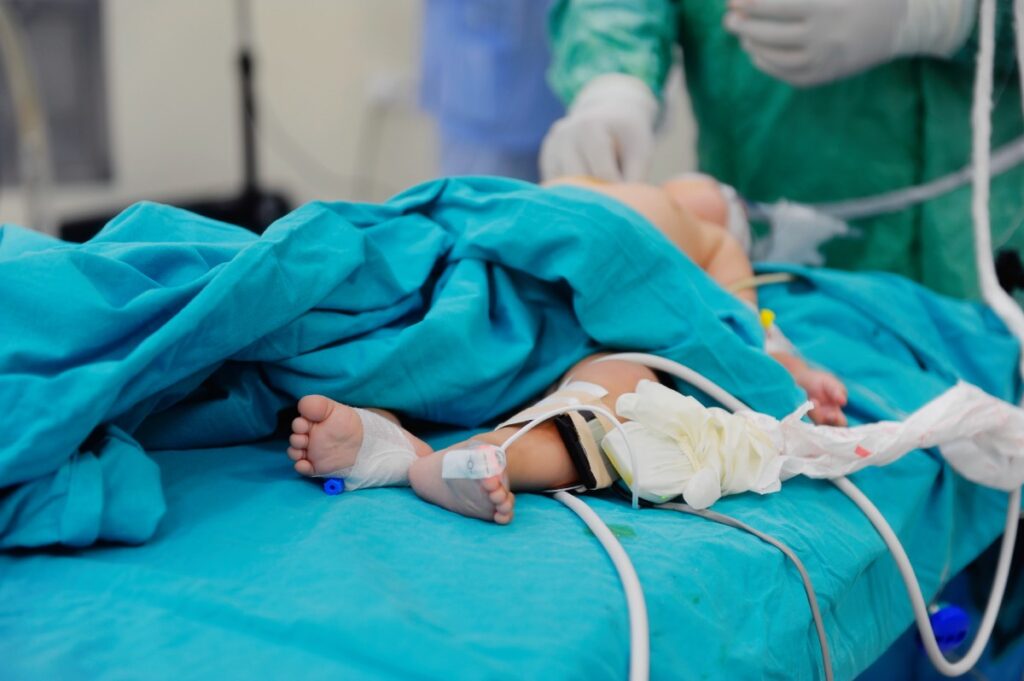
In certain clinical contexts, total intravenous anesthesia (TIVA) offers distinct advantages as an alternative to inhalational anesthesia. By delivering anesthetic agents exclusively through intravenous infusions, typically combining a hypnotic such as propofol with a short-acting opioid like remifentanil, TIVA avoids the use of inhalational agents and their associated environmental and physiological effects. In pediatric patients, however, the decision to employ TIVA requires careful consideration of indications, pharmacologic nuances, and technical challenges unique to this population.
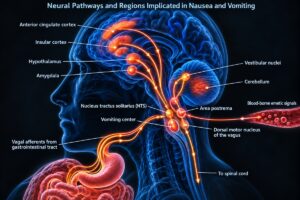
One of the principal indications for TIVA in children is the need to reduce the risk of malignant hyperthermia in susceptible individuals, particularly those with a personal or family history suggestive of this life-threatening pharmacogenetic disorder. Avoidance of volatile anesthetics and depolarizing neuromuscular blockers is essential in such cases, making TIVA the technique of choice. TIVA is also advantageous in patients with a history of severe postoperative nausea and vomiting, as propofol-based anesthesia has been associated with a lower incidence of emesis compared with inhalational agents. In neurosurgical procedures, particularly those requiring neurophysiologic monitoring, TIVA provides stable electrophysiologic conditions and avoids the dose-dependent suppression of evoked potentials caused by volatile anesthetics.
Certain airway conditions are also among the indications for using total intravenous anesthesia (TIVA) in pediatric patients. Children with reactive airway disease may benefit from the bronchodilatory properties of propofol and the avoidance of airway irritation sometimes associated with inhalational induction. In addition, TIVA may be preferred during airway surgeries or procedures involving shared airways, where minimizing operating room pollution and simplifying the operating field are desirable. In certain cardiac and hemodynamically fragile patients, carefully titrated TIVA can provide stable conditions, although this requires vigilant monitoring due to the cardiovascular depressant effects of anesthetic agents.
Despite these advantages, TIVA in pediatric patients presents substantial challenges. Vascular access can be difficult, particularly in infants and small children, and reliable intravenous access is mandatory before induction when inhalational techniques are not employed. The smaller circulating blood volume and narrower therapeutic margins in children magnify the consequences of dosing errors or equipment malfunction.
Pharmacokinetic and pharmacodynamic variability represents another major challenge. Neonates and infants exhibit immature hepatic metabolism, altered protein binding, and differences in body composition that significantly influence drug distribution and clearance. Propofol clearance, for example, varies considerably with age, necessitating weight-based dosing adjustments and careful titration. Target-controlled infusion systems, widely used in adults, have limited validation in younger pediatric age groups, and many pharmacokinetic models do not reliably predict plasma or effect-site concentrations in infants. As a result, anesthetic depth must be assessed primarily through clinical signs and, when appropriate, adjunctive monitoring such as processed electroencephalography, though interpretation in young children remains complex.
Hemodynamic instability is another concern. Propofol can cause dose-dependent hypotension through vasodilation and myocardial depression, effects that may be more pronounced in hypovolemic or critically ill children. Although rare, the risk of propofol infusion syndrome warrants attention during prolonged or high-dose infusions. Vigilance for metabolic acidosis, rhabdomyolysis, and cardiac dysfunction is essential.
Finally, logistical and environmental factors influence the implementation of TIVA. Precise infusion pumps, appropriate drug concentrations, and trained personnel are required to ensure safe administration. In resource-limited settings, the absence of reliable infusion technology may restrict the feasibility of TIVA.
In pediatric anesthesia, TIVA offers clear benefits in selected clinical scenarios, including malignant hyperthermia susceptibility, neurosurgical procedures, and patients at high risk of postoperative nausea and vomiting. However, its successful application demands a thorough understanding of age-specific pharmacology, meticulous attention to dosing and monitoring, and preparedness to address rapid physiological changes. When carefully selected and expertly managed, TIVA can be a valuable component of the pediatric anesthetic armamentarium.